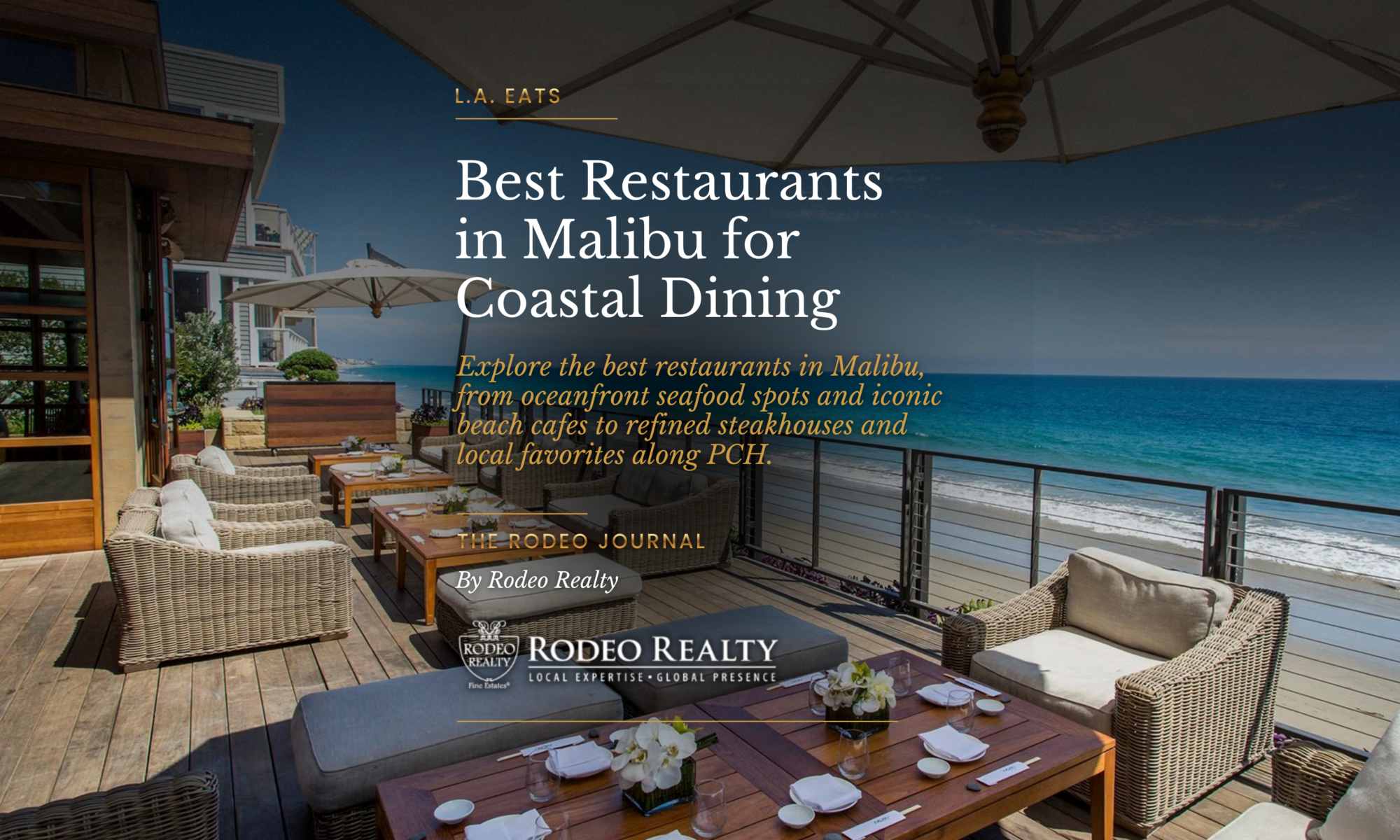
Malibu dining is more than a meal by the water. It is ocean air, canyon views, fresh seafood, and the kind of effortless coastal setting that makes Los Angeles living feel cinematic. From casual seafood shacks to polished oceanfront dining rooms, the best restaurants in Malibu offer something for every kind of outing, whether it is a beach day lunch, a romantic sunset dinner, or a weekend drive up Pacific Coast Highway.
Here are the best restaurants in Malibu to know for standout coastal dining.
Broad Street Oyster Company
Location: 23359 CA-1 #3874A, Malibu, CA 90265, USA
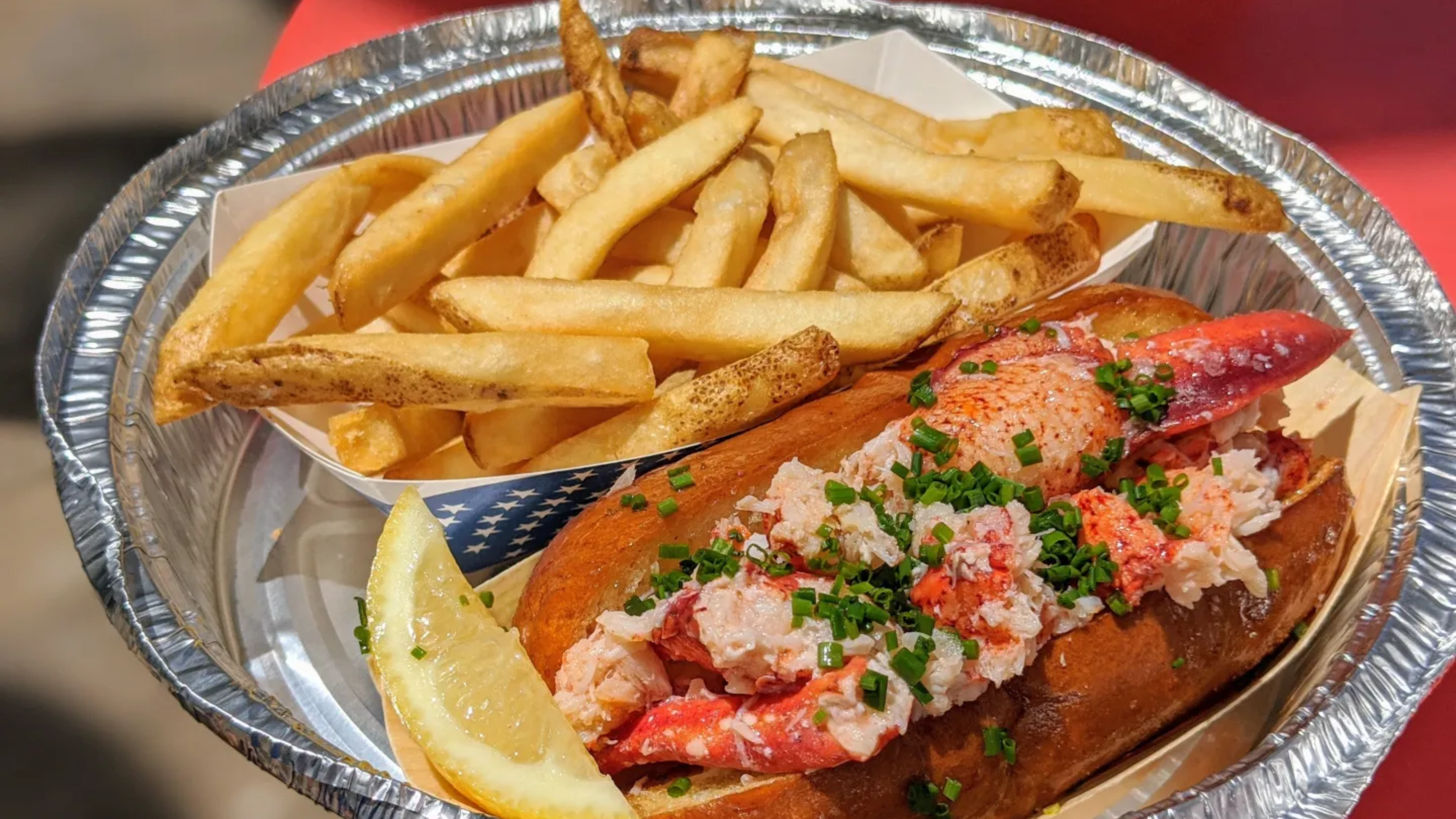
Broad Street Oyster Company has become one of Malibu’s most destination-worthy casual seafood spots. Hidden inside Malibu Country Mart, it serves fresh oysters, scallop crudo, fried seafood, fish tacos, and a lobster roll that has earned serious local devotion. Add extra butter and lobster if the day calls for a little indulgence.
Lucky’s Malibu
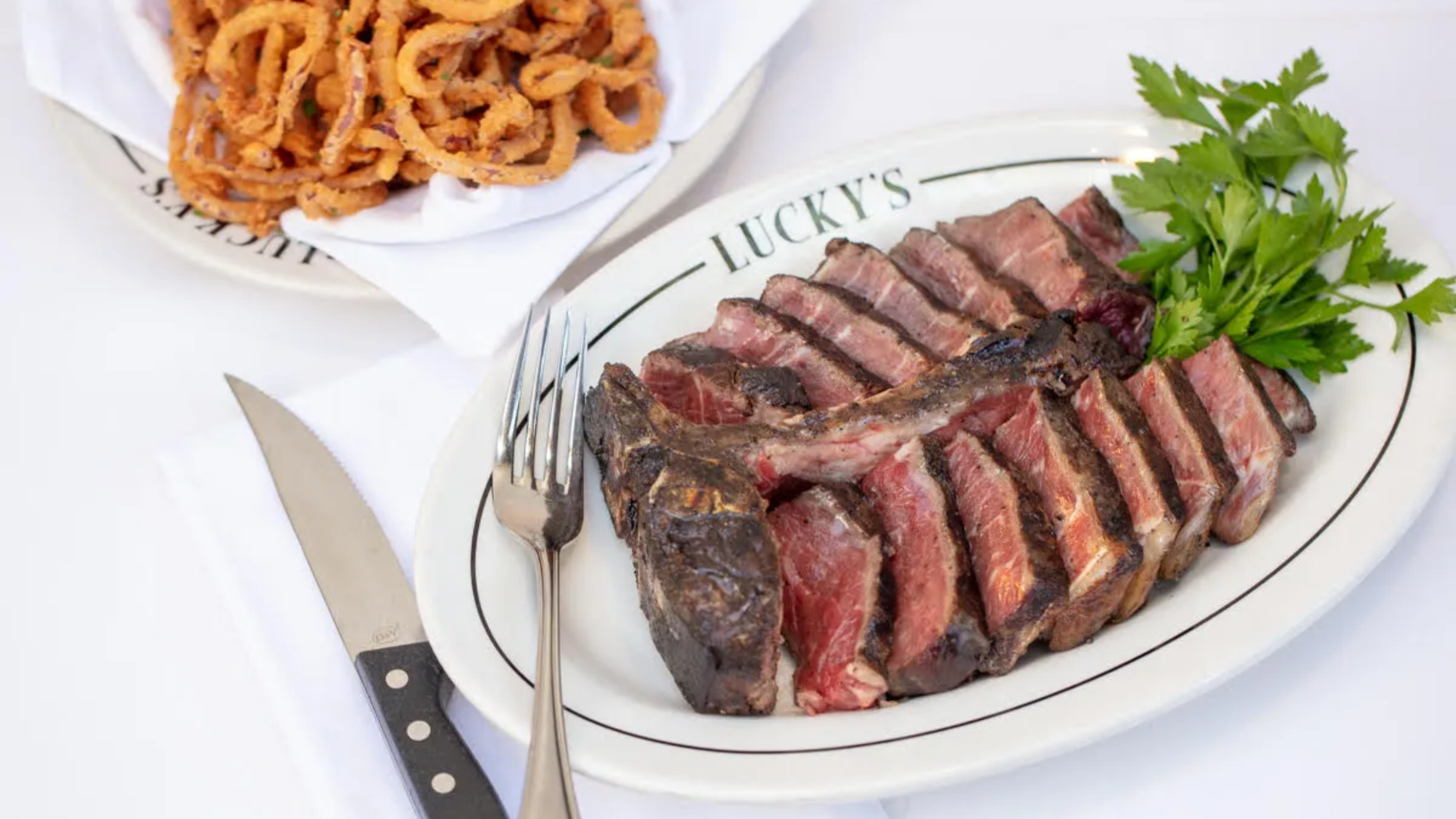
Location: 3835 Cross Creek Road, Suite #18, Malibu, CA 90265, USA
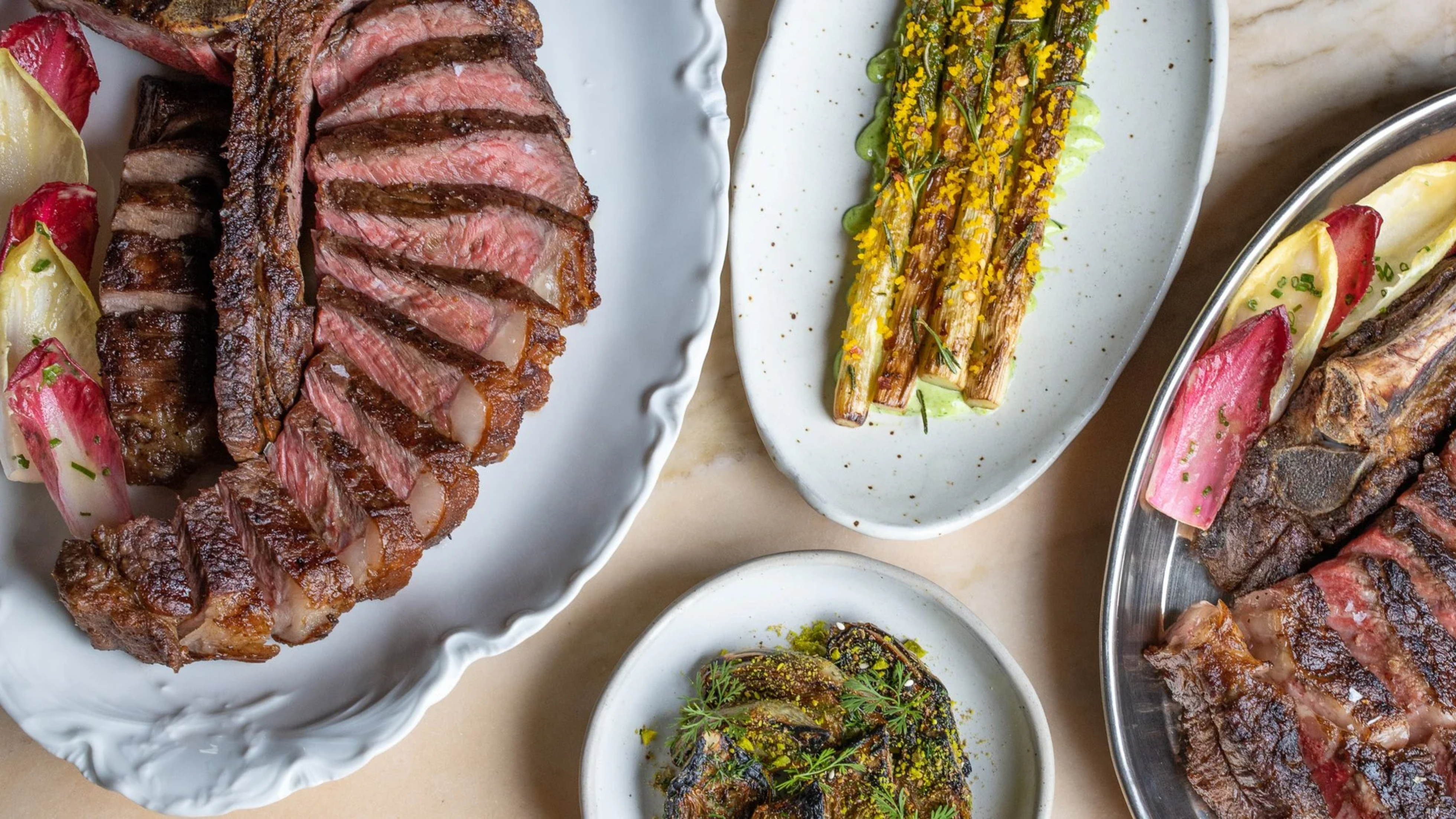
Lucky’s Malibu brings a classic steakhouse experience to a tucked-away corner of Cross Creek. The menu covers grilled chops, generous sides, matzoh ball soup, chili, and all the familiar comforts expected from a polished steakhouse. It is quieter than some of Malibu’s flashier spots, which is exactly part of its charm.
Lily’s Cafe and Pastries
Location: 29211 Heathercliff Road, Malibu, CA 90265, USA
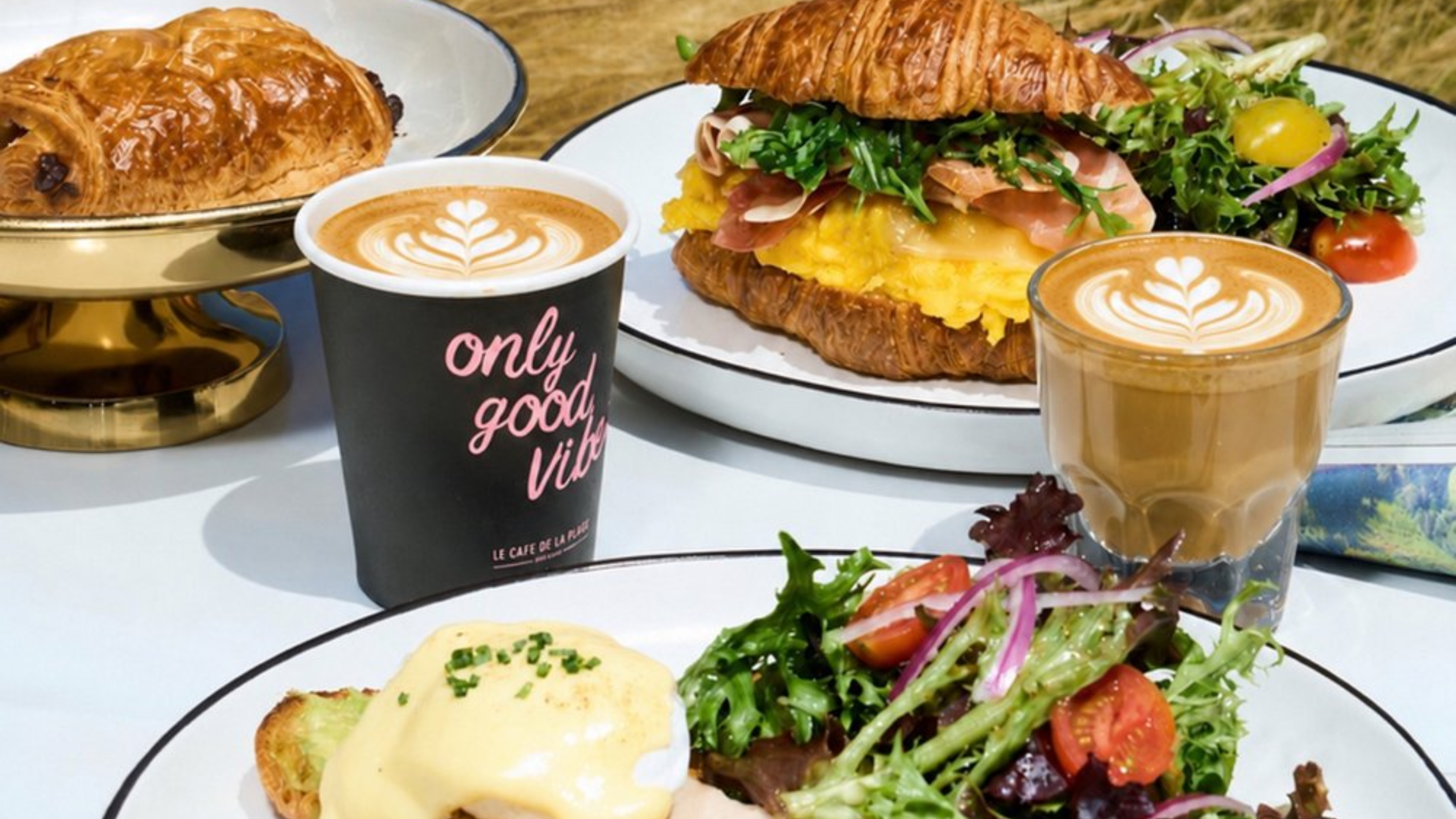
Lily’s Cafe and Pastries is a local favorite for casual, satisfying Mexican food in a no-fuss shopping center off Heathercliff Road. Many Malibu locals and Pepperdine students swear by the breakfast burrito, especially when paired with the restaurant’s spicy salsa. For something lighter, the huevos rancheros and icy horchata make an equally comforting order.
Malibu Seafood
Location: 25653 Pacific Coast Highway, Malibu, CA, 90265, US
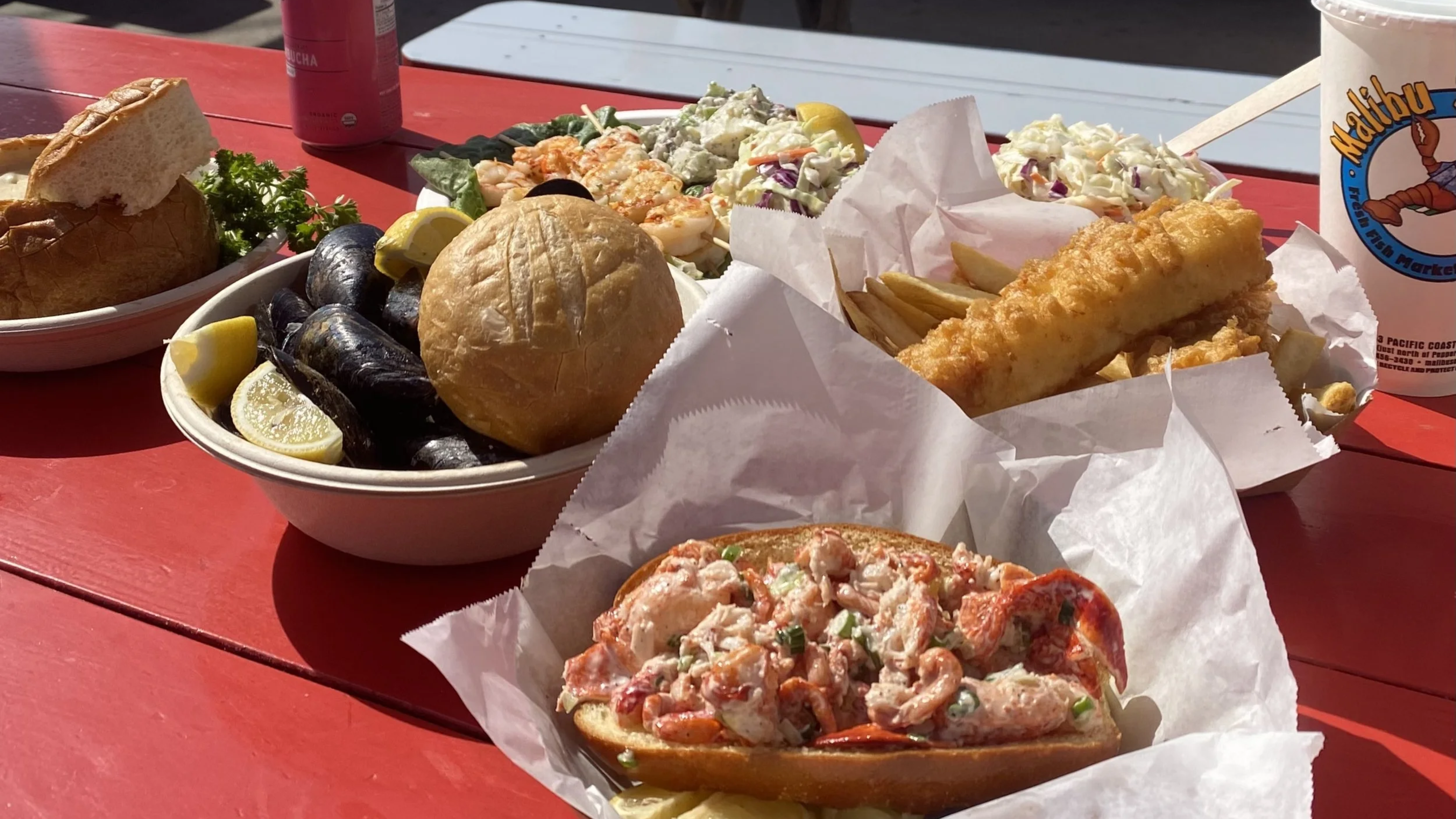
Malibu Seafood has been a PCH staple since 1972, drawing beachgoers, hikers, and road-trippers with classic seafood stand fare. The menu includes fried fish, shrimp, clam strips, squid, oysters, grilled seafood plates, fish sandwiches, and seasonal steamers. The tiered patio offers sweeping Pacific views, making it one of the best restaurants in Malibu for a relaxed coastal lunch.
Nobu Malibu
Location: 22706 Pacific Coast Highway, Malibu, CA 90265, USA
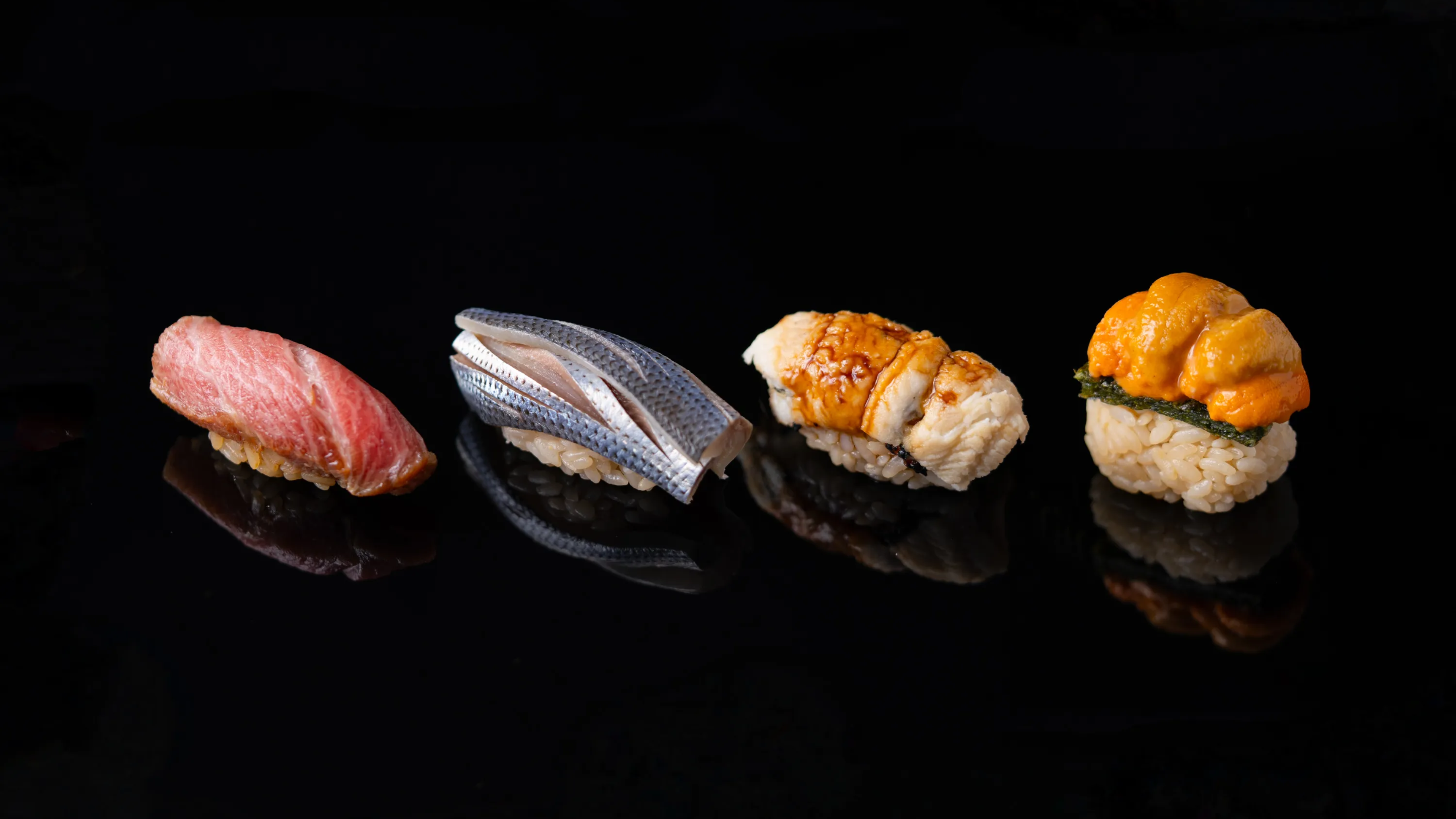
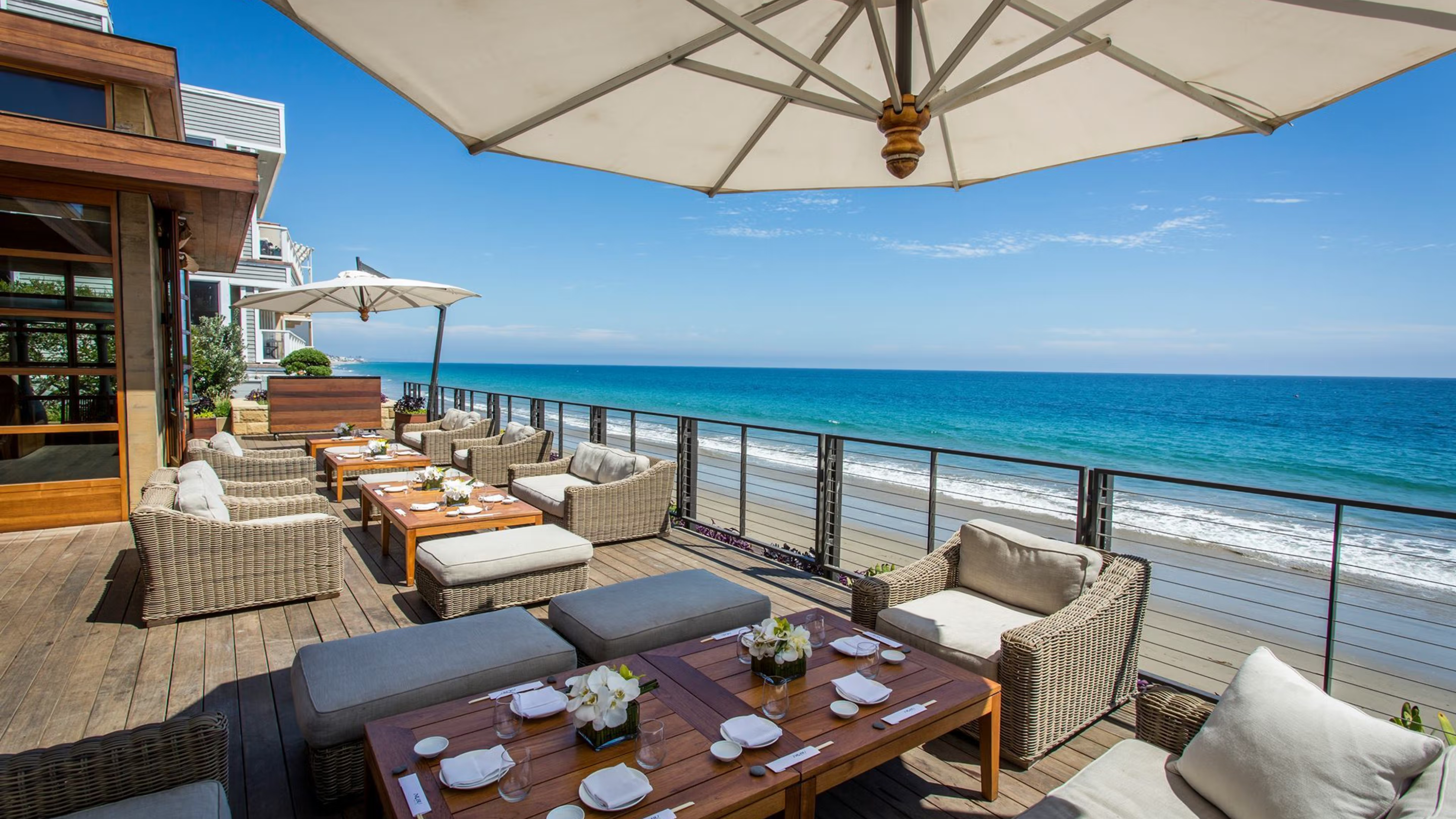
Nobu Malibu remains one of the most famous dining destinations in the city. Set directly on the ocean, the restaurant pairs sleek service with celebrated Japanese dishes, sashimi, sushi, and signature plates designed for sharing. Reservations are famously competitive, but the setting alone keeps it among the best restaurants in Malibu for a special night out.
Taverna Tony
Location: 23410 Civic Center Way, Malibu, CA, 90265, US
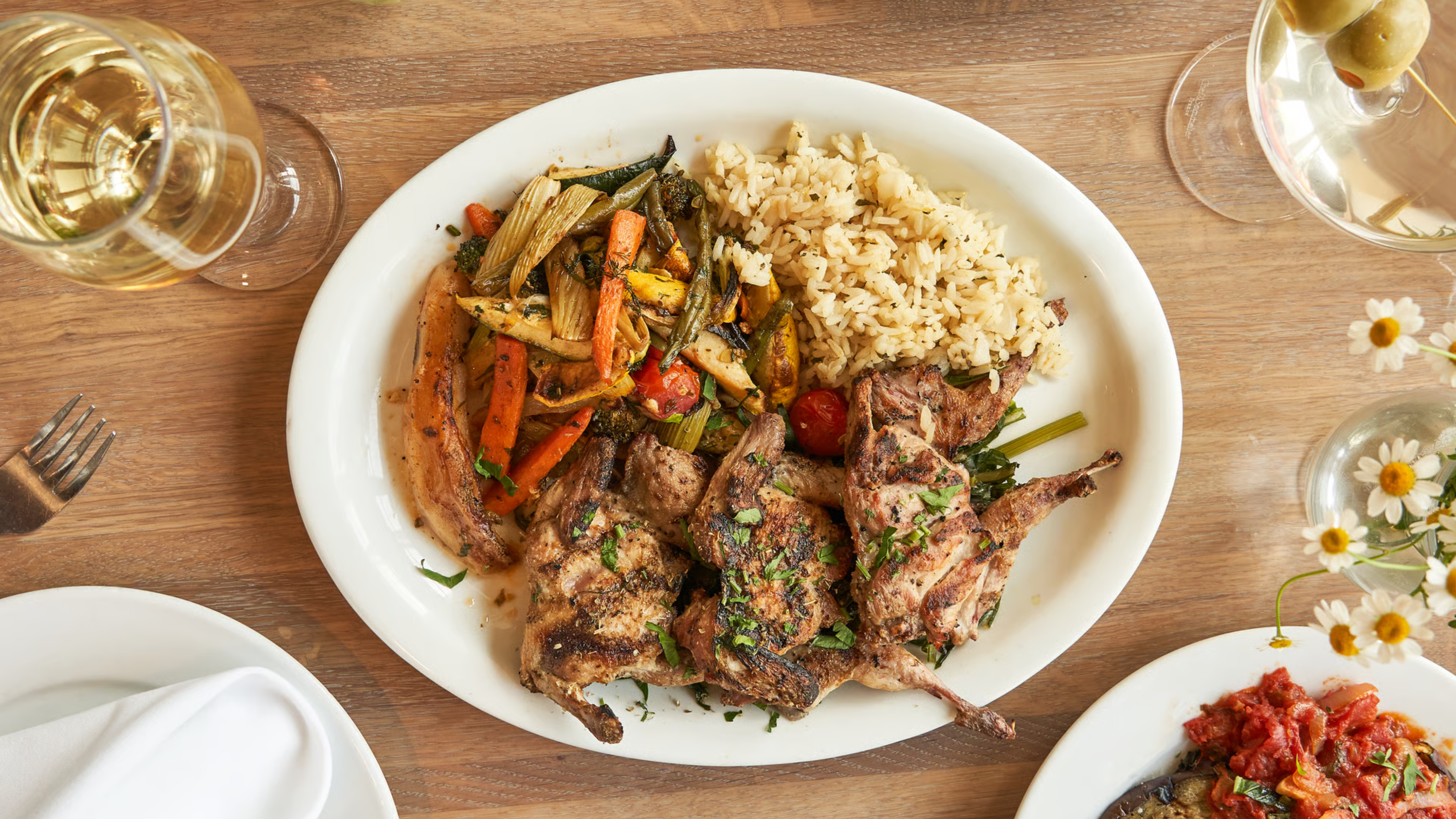
Taverna Tony brings lively Greek dining to Malibu Country Mart. The patio fills quickly on warm weekends as guests share taramosalata, calamari, lamb souvlaki, Greek potatoes, and whole branzino. With cocktails, wine, live music, and belly dancers on select nights, it is a festive choice after the beach.
Malibu Farm Cafe
Location: 23000 Pacific Coast Highway, Malibu, CA 90265, USA
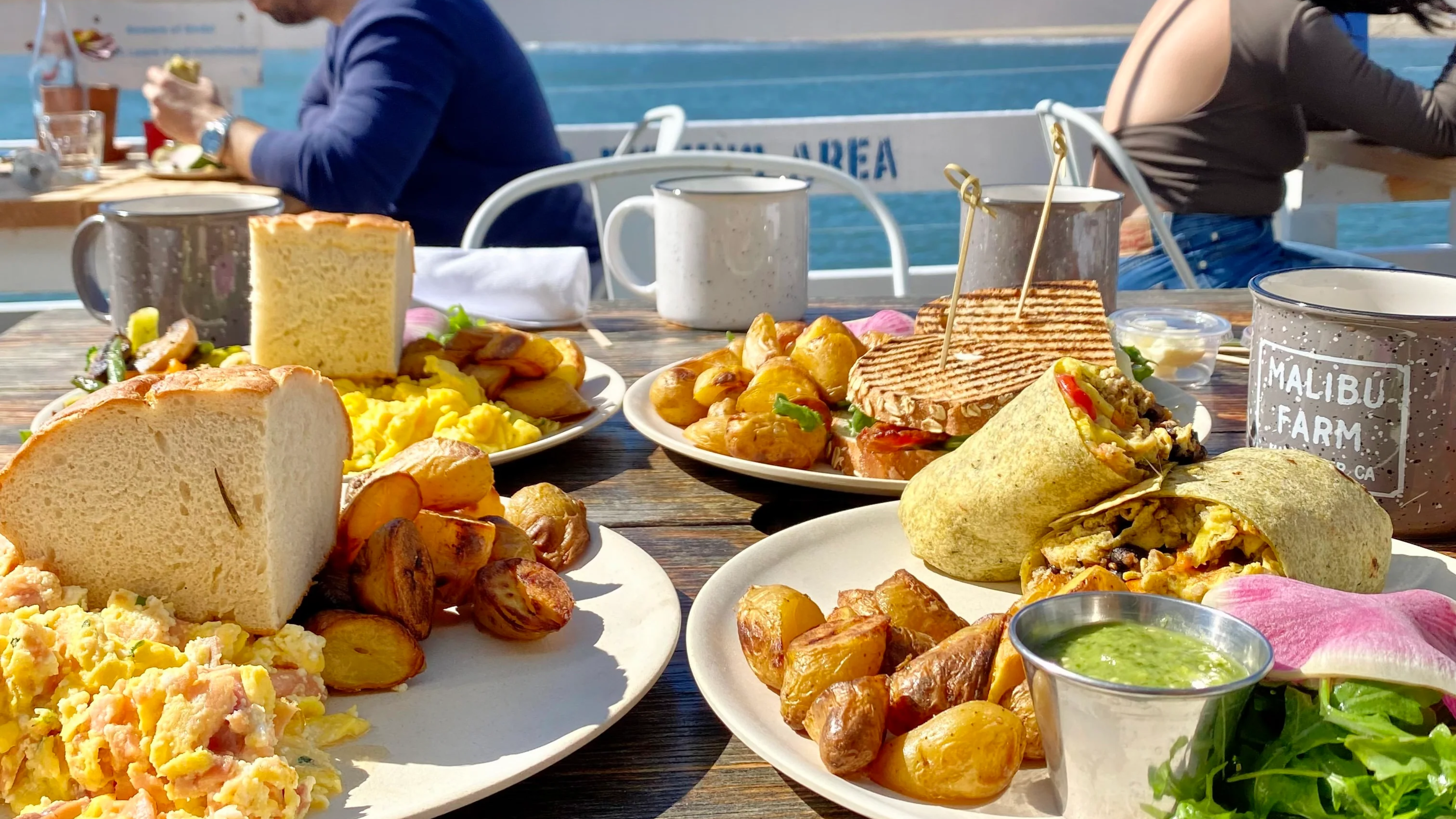
Malibu Farm Cafe is practically synonymous with pier dining in Malibu. The counter-service cafe offers ocean views alongside breakfast sandwiches, smoked salmon scrambles, lobster rolls, burgers, and fish tacos. Its easygoing feel makes it ideal for daytime dining with out-of-town guests.
Clark’s Oyster Bar
Location: 23465 Civic Center Way, Malibu, CA, 90265, US
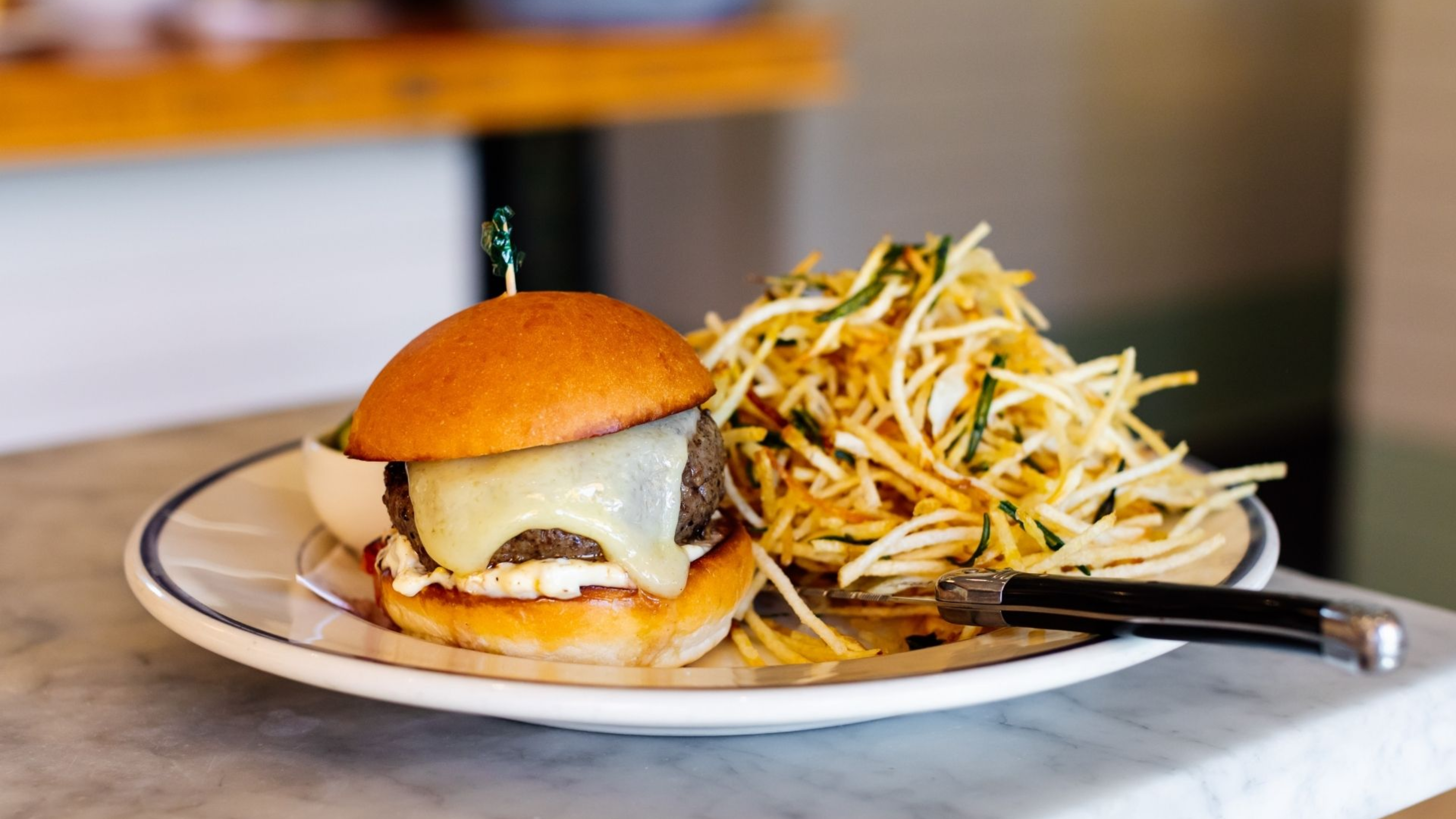
Clark’s Oyster Bar brings a refined seafood experience to the Park at Cross Creek. The menu includes oysters, crudo, rockfish ceviche, crab cakes, lobster rolls, wedge salad, and a standout brunch Dungeness crab omelet. Its sunny patio and polished coastal design make it one of the best restaurants in Malibu for a stylish group meal.
Mastro’s Ocean Club
Location: 18412 E Pacific Coast Highway, Malibu, CA 90265, USA
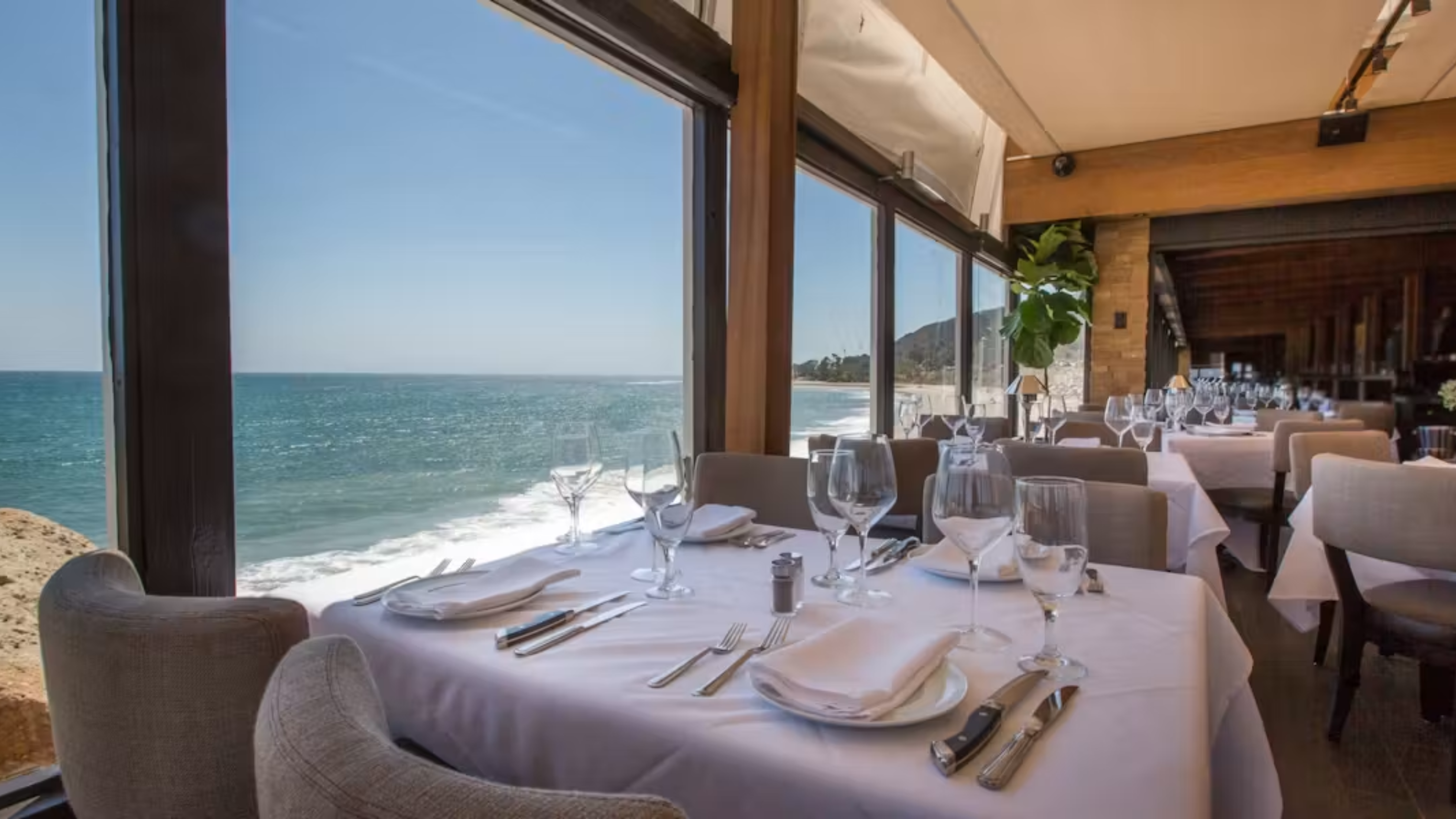
Mastro’s Ocean Club delivers the grand oceanfront steakhouse experience Malibu does so well. Seafood towers, steaks, fish, and decadent sides all arrive in a dining room framed by rugged Pacific views. Finish with the signature butter cake for a true celebratory meal.
Neptune’s Net
Location: 42505 Pacific Coast Highway, Malibu, CA 90265, USA
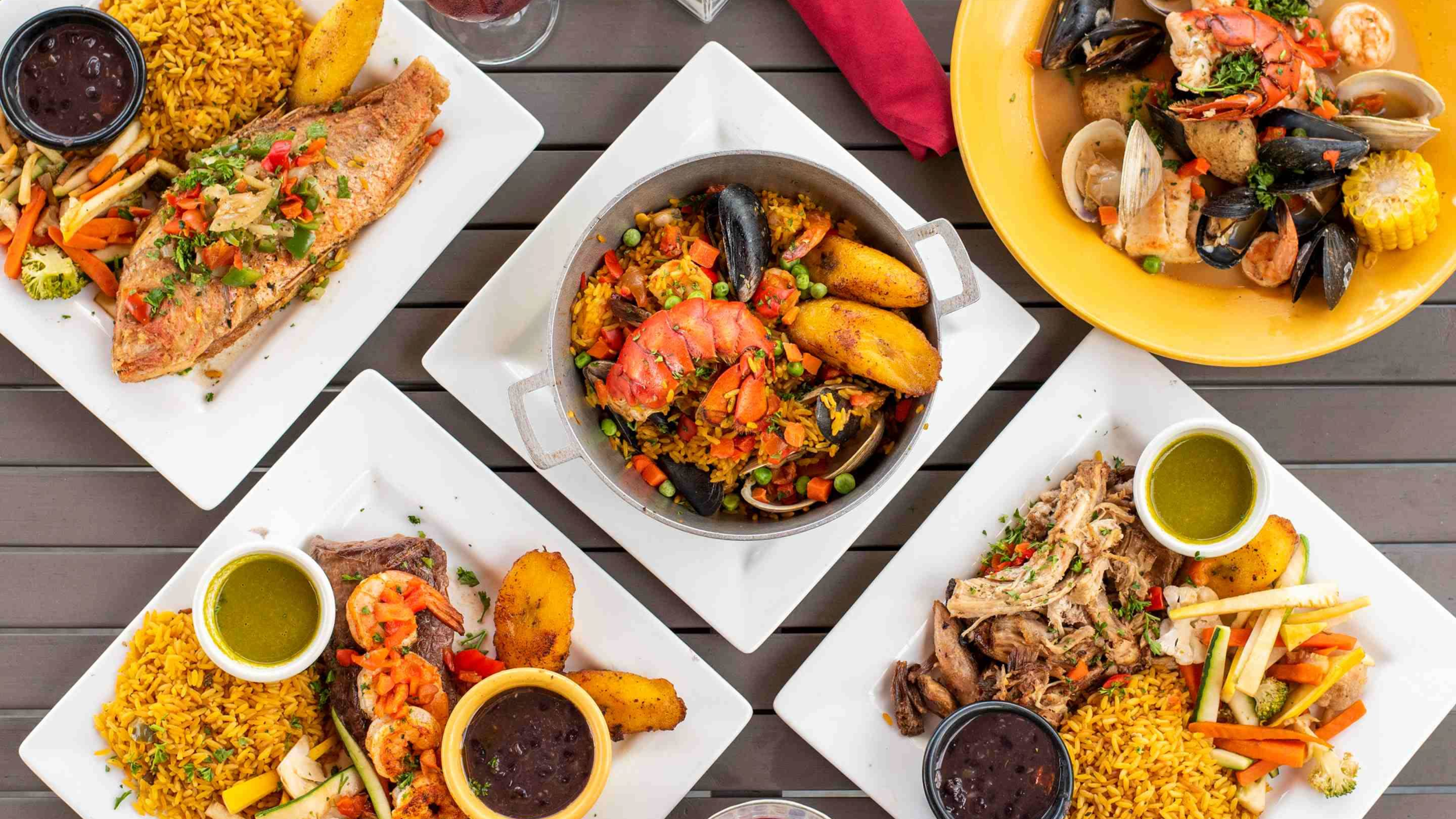
Neptune’s Net is a classic Malibu stop with a personality all its own. Since 1956, the restaurant has served fried clams, shrimp, chowder, fish tacos, grilled seafood, and cold beer to surfers, bikers, families, and road-trippers. Its wood-plank patio and ocean views make it one of the most memorable casual dining spots along PCH.
From beachside seafood to refined steakhouse dining, the best restaurants in Malibu capture the effortless beauty of coastal Los Angeles. Whether you are planning a day by the water or an evening overlooking the Pacific, Malibu offers a dining scene as memorable as its views.